
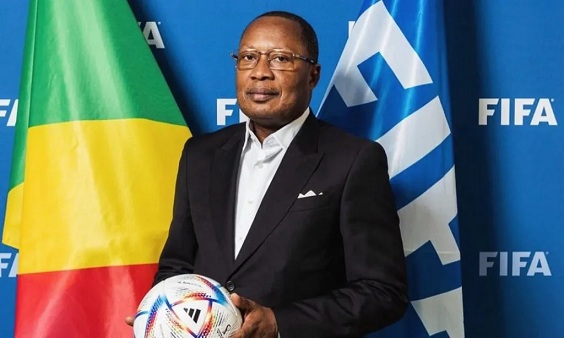


The president of the Congolese Football Federation, Jean-Guy Blaise Mayolas, has been sentenced to life imprisonment after being found guilty in a major corruption case that has shaken football administration in the Central African country.
A court delivered the ruling on Tuesday following months of investigations and legal proceedings into alleged financial misconduct within the federation.
Mayolas was convicted of several offences, including money laundering, embezzlement and document forgery. He did not appear in court during the hearing and was therefore sentenced in absentia.
The court also handed life sentences to his wife and son, who were found to have participated in the scheme.
According to prosecutors, the case centred on the alleged misappropriation of funds allocated to the federation by FIFA for football development programmes.
Evidence presented during the trial showed that about $1.3 million intended for grassroots football initiatives and administrative development had allegedly been diverted for personal use.
Investigators said the funds were channelled through fraudulent financial transactions and falsified records designed to conceal the irregularities.
The probe also implicated other senior officials within the federation.
The federation’s general secretary, Badji Mombo Wantete, and treasurer, Raoul Kanda, were each sentenced to five years in prison after being found guilty of participating in the financial misconduct.
Authorities said the verdict followed about eight months of investigations, during which prosecutors reviewed financial records, banking transactions and internal administrative procedures within the federation.
Investigators described the case as evidence of a deeply entrenched system of fraudulent financial management within the football governing body.
The ruling represents one of the most significant legal actions taken against football officials in the country’s history and is expected to have major implications for the governance of the sport.
The scandal has also intensified concerns about transparency and accountability in football administration, particularly in the management of international development funds provided by global governing bodies.
With court proceedings now concluded, attention is expected to turn to potential reforms within the federation and broader efforts to restore credibility and integrity to football governance in the country.