


Effective February 1, Ghana will roll out an artificial intelligence (AI) system to block the over $127 billion annual revenue leakages, enhancing the modernisation of customs operations and improving efficiency.
The nationwide deployment of the system is to interface and enhance existing operations handled through the Integrated Customs Management System (ICUMS), reducing large customs processing of imports from two hours to five minutes.
Parliament last year approved the Publican Digital Inspection Solution Agreement between the Ghana Revenue Authority (GRA) and Truedare Investment Limited, to improve customs management and revenue generation.
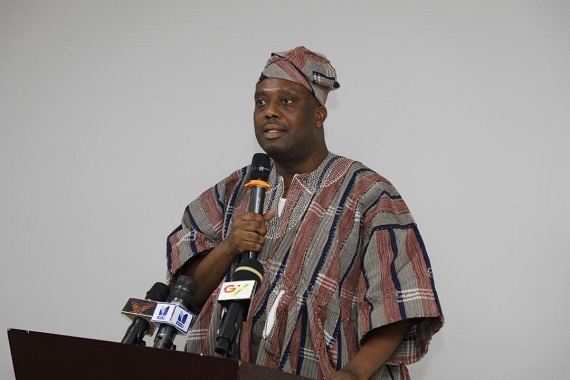
Mr Thomas Ampem Nyarko, speaking at a media engagement as part of a three-day stakeholders meeting, said the new technology would address issues associated with the existing system, including undervaluation, misclassification, and falsified invoices.
“Between 2020 and 2025, Ghana recorded imports worth $127 billion, but only $52 billion was declared. This discrepancy highlights the urgent need for advanced digital inspection,” Mr Nyarko said.
He noted that a pilot in November 2025 of the technology, which had been introduced in over 20 countries worldwide, detected anomalies in 18 out of 43 test transactions, recovering GH¢15 million in additional revenue from five companies.
“The system supports customs decision-making by identifying patterns, highlighting anomalies, and organising operational intelligence in real time from thousands of reliable, global, and local data sources,” he said.
The Deputy Finance Minister assured importers and forwardness of no additional payment for the innovation, rather they would experience fast-paced process in clearing their goods.
“The assurance to all our importers is that all those of you doing clean business have no cause for worry. Those who have cause for worry are those who are in the habit of falsifying trade data for the intention of cheating the state,” he said.
Mr Nyarko reiterated the importance of the initiative, which was not to create barriers to trade, but about building a fair, predictable, and technology-driven customs environment, while improving compliance.
Mr Anthony Sarpong, the Commissioner-General, GRA, said the AI tool would not conflict with the existing ICUMS platform, which had been the backbone of customs processing for over five years, but help reduce clearance times, cutting duty assessments from two hours to five minutes.
He said the system would complement ICUMS in dealing particularly with classification and evaluation of duties at entry points, thereby, improving customs revenue by some 40 per cent and strengthening national security by identifying high-risk cargoes in real time.
Mr Sarpong highlighted recent challenges with smuggling and concealment of contraband, such as tramadol hidden in shipping containers, saying that would be addressed by the AI system, helping customs officers to detect such risks in real time.
“The incorporation of this digital inspection tool into our system will help us to have 100 per cent coverage of assessment of goods that are coming into our country and ensure that we are setting almost every one of them on the same parity principle,” he said.
“Speed and efficiency are what stakeholders demand today. This AI tool will ensure accurate duty determination, reduce human discretion, and strengthen risk profiling of imports.”
GNA