


The Ghana Gold Board (GoldBod) has called for a fundamental shift in how Ghana measures the benefits of mining, arguing that the country’s mineral wealth must translate into tangible improvements in the communities where gold is produced.
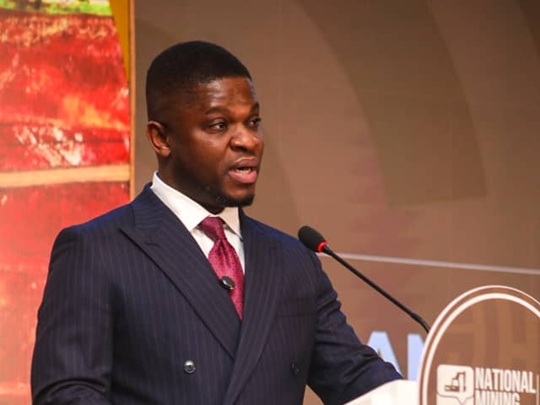
Speaking at the National Mining Dialogue 2026, GoldBod Chief Executive Officer, Mr. Sammy Gyamfi, Esq., said mining communities should no longer be viewed merely as locations where minerals are extracted, but as active participants and beneficiaries of the country’s mineral economy.
He said the success of Ghana’s gold industry must ultimately be reflected in the development of mining towns, the creation of local businesses and improved livelihoods for communities that host mining operations.
“If we get this right, we will not only produce gold, but prosperous mining towns, strategic industries around our minerals and deeper community trust,” Mr. Gyamfi said.
According to the GoldBod CEO, communities must be involved more meaningfully in the mining value chain, including through greater access to economic opportunities, jobs, skills development and mining-related services.
He argued that new mining projects should have clearer commitments to create employment, develop local businesses and provide infrastructure that delivers lasting value to host communities.
“Mining communities must be recognised as economic shareholders rather than merely land donors,” Mr. Gyamfi said, stressing the need for a more inclusive approach to mineral development.
He also called for greater participation of young people in the mining economy through skills development and pathways into technical and mining services, enabling them to benefit directly from the opportunities generated by the sector.
The CEO’s position forms part of his proposed “Involve, Protect and Expand” framework for transforming Ghana’s mining industry. While the “Involve” pillar focuses on community participation, the framework also places environmental protection and expansion of Ghanaian ownership and value addition at the centre of mining development.
Mr. Gyamfi said protecting the environment was equally important, insisting that mining must not leave communities with degraded lands, polluted water bodies and weakened livelihoods.
He advocated stronger reclamation and reforestation measures, alongside formalisation and traceability within the artisanal and small-scale mining sector.
GoldBod’s approach, he said, is to ensure that Ghana moves from an economy that primarily extracts and exports minerals to one that creates greater domestic value around its mineral resources.
This includes expanding local refining, jewellery manufacturing, mining services and other downstream industries capable of generating jobs and retaining more of the wealth created from Ghana’s gold.
For Mr. Gyamfi, the future of Ghana’s mining sector should therefore be judged not only by how much gold the country produces, but by “the jobs created, businesses developed, communities transformed and opportunities secured for future generations.”
The vision places mining communities at the centre of Ghana’s mineral development agenda, with GoldBod positioning the country’s gold wealth as a catalyst for inclusive economic growth and sustainable community development.