
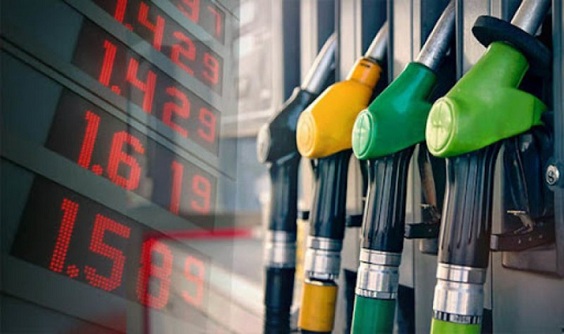


The Minority in Parliament has urged the government to abolish the GHC1 levy on petroleum products, warning that it no longer serves its intended purpose and is worsening the financial strain on Ghanaians.
Deputy Ranking Member of the Energy Committee, Collins Adomako Mensah, raised the call, highlighting the impact of surging fuel prices on households and businesses.
He pointed to global tensions involving Israel, the United States, and Iran, which have driven up crude oil prices worldwide, directly affecting fuel costs in Ghana.
“The one Ghana Cedi levy is pure punishment,” Mensah said, insisting that the government repeal it immediately while urgently reviewing all other taxes and levies embedded in fuel prices.
As of the second pricing window in March 2026, diesel has reached GHC15.60 per litre, and petrol has crossed GHC12.40 per litre.
The Energy Sector Levy contributes roughly GHC1 to the price of both fuels, pushing the total tax burden to GHC1.95 for petrol and GHC1.93 for diesel.
The Minority contends that the original rationale for the levy—to service sector debts and cover financial shortfalls—has been rendered obsolete.
Mensah stated that the government cleared approximately $1.47 billion of energy sector debts between January and December 2025, including GH₵597 million paid to the World Bank under a partial risk guarantee, as well as all pending gas invoices. With debts settled and guarantees restored, he argued, there is no reason to maintain the levy.
Calling for swift action under a certificate of urgency, the Minority urged a comprehensive review of Ghana’s petroleum taxation system to relieve consumers of unnecessary financial burdens.