
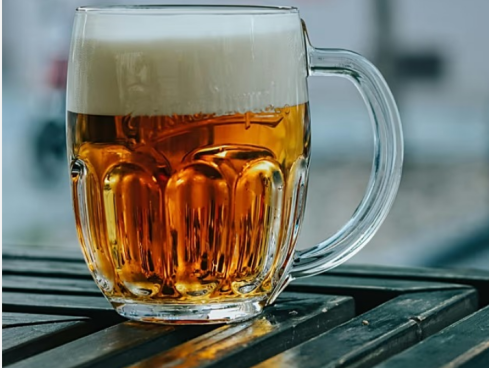


A new study has found that beer, particularly alcohol-free varieties, may provide substantial amounts of vitamin B6, an essential nutrient linked to brain, blood, and immune system health.
The research, published in the Journal of Agricultural and Food Chemistry, analysed 65 commercially available German beers using a newly developed laboratory technique and discovered that vitamin B6 levels were consistently higher than previously estimated.
According to the study, a standard serving of beer could provide about 15% of an adult’s recommended daily intake of vitamin B6.
Researchers found that vitamin B6 concentrations ranged from 95 to more than 1,000 micrograms per litre depending on the beer type.
Bock beers, a strong style brewed with large quantities of barley malt, recorded the highest levels, averaging about 808 micrograms per litre, while standard lagers averaged around 515 micrograms per litre. Wheat and rice beers showed the lowest concentrations.
The researchers said the differences were mainly linked to raw ingredients rather than brewing methods.
“Variations in vitamin B6 composition were primarily associated with raw materials rather than with brewing technology,” the authors noted.
Barley, the key ingredient in many beers, was identified as a major source of vitamin B6, containing nearly four times more of the nutrient than rice.
The study also found no significant difference in vitamin B6 content between regular lager and alcohol-free lager, suggesting that removing alcohol does not significantly affect the nutrient content.
Some alcohol-free lagers performed particularly well, with the highest-scoring sample containing 761 micrograms per litre, enough for a standard 500ml bottle to provide roughly a quarter of a woman’s recommended daily vitamin B6 intake.
Vitamin B6 plays an important role in maintaining brain function, blood health and the immune system, but the body cannot produce it naturally and must obtain it through diet.
The researchers noted that vitamin B6 deficiency is more common than many people realise, affecting about one in five European teenagers and roughly one in 10 Americans.
Low levels of the vitamin have been linked to depression, cardiovascular disease and inflammation.
The study comes amid continuing concerns about the health risks associated with alcohol consumption.
The World Health Organisation (WHO) has stated that there is no completely safe level of alcohol consumption, noting that alcohol is classified as a Group 1 carcinogen, the highest cancer-risk category.
Previous studies have also linked alcohol consumption to increased risks of liver disease, heart problems, memory loss and dementia.
A separate study published last year in BMJ Evidence-Based Medicine, involving about 560,000 participants in the United Kingdom and the United States, found that greater alcohol consumption was associated with a higher risk of dementia.
“For anyone who chooses to drink, the study suggests that greater alcohol consumption leads to a higher risk of dementia,” Stephen Burgess said in a statement.
Researchers stressed that beer should not be considered the primary source of vitamin B6, which is widely available in healthier food sources, including fish, potatoes, legumes, peanuts, fortified cereals, non-citrus fruits and soybeans.
Source: GNA