
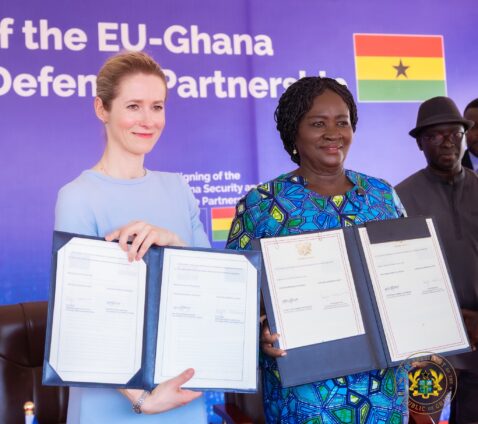


Ghana and the European Union (EU) on Tuesday signed a landmark Security and Defence partnership, the first between the bloc and an African country.
The agreement seeks to strengthen cooperation in addressing evolving security threats in Ghana and the wider West African sub-region.
It was signed in Accra by Vice President Professor Naana Jane Opoku-Agyemang for Ghana and the High Representative and Vice President of the European Commission, Ms Kaja Kallas.
The agreement provides a structured framework for collaboration in counter-terrorism, conflict prevention, cyber security, border management, maritime security, and peace operations.
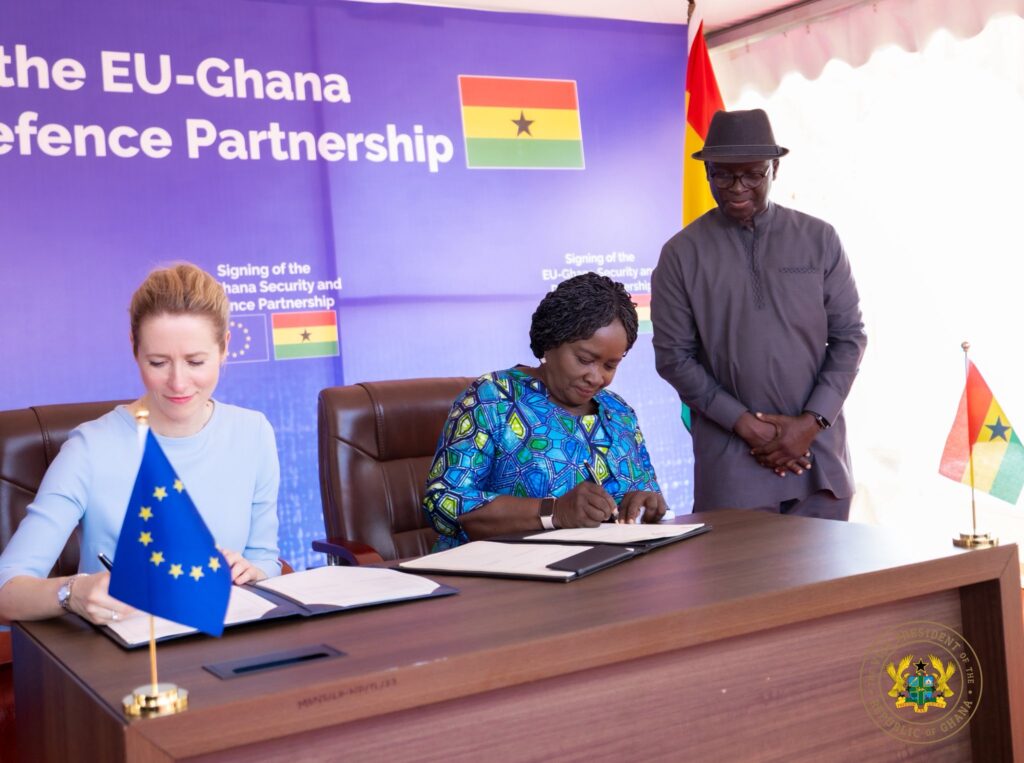
The partnership is expected to enhance Ghana’s capacity to respond to emerging threats, improve crisis response, and deepen regional security coordination, particularly in the Gulf of Guinea and the Sahel.
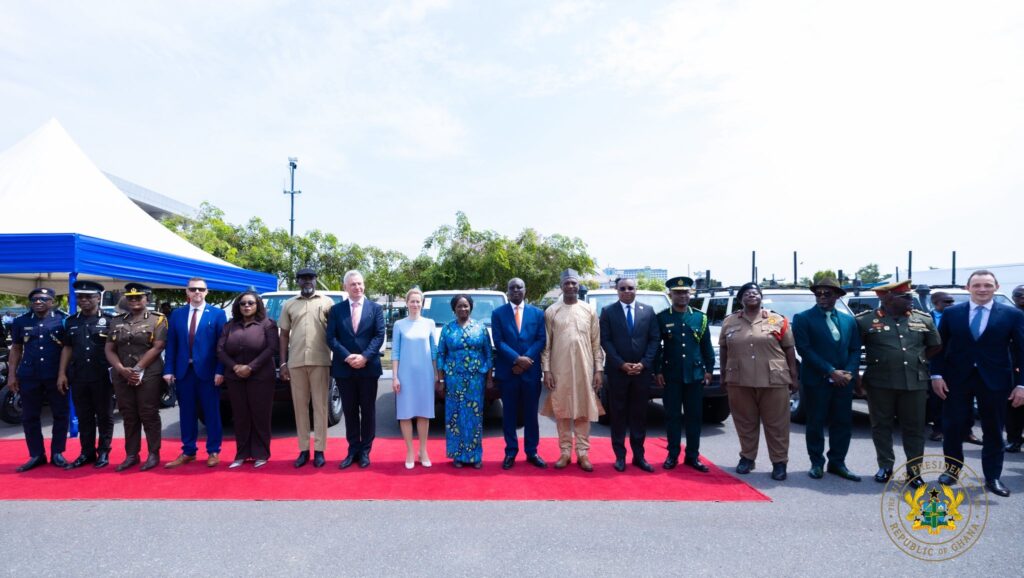
As part of the agreement, the EU handed over security equipment to Ghana, including surveillance drones, anti-drone systems, communication and intelligence-gathering equipment, as well as motorcycles to support security operations.
Vice President Opoku-Agyemang described the agreement as a demonstration of strengthened collaboration between Ghana and the EU in tackling complex and evolving security challenges.
“Today’s Security and Defence Partnership provides a structured framework for strengthening cooperation… in building capacity, crisis response and reinforcement of peace operations,” she said.
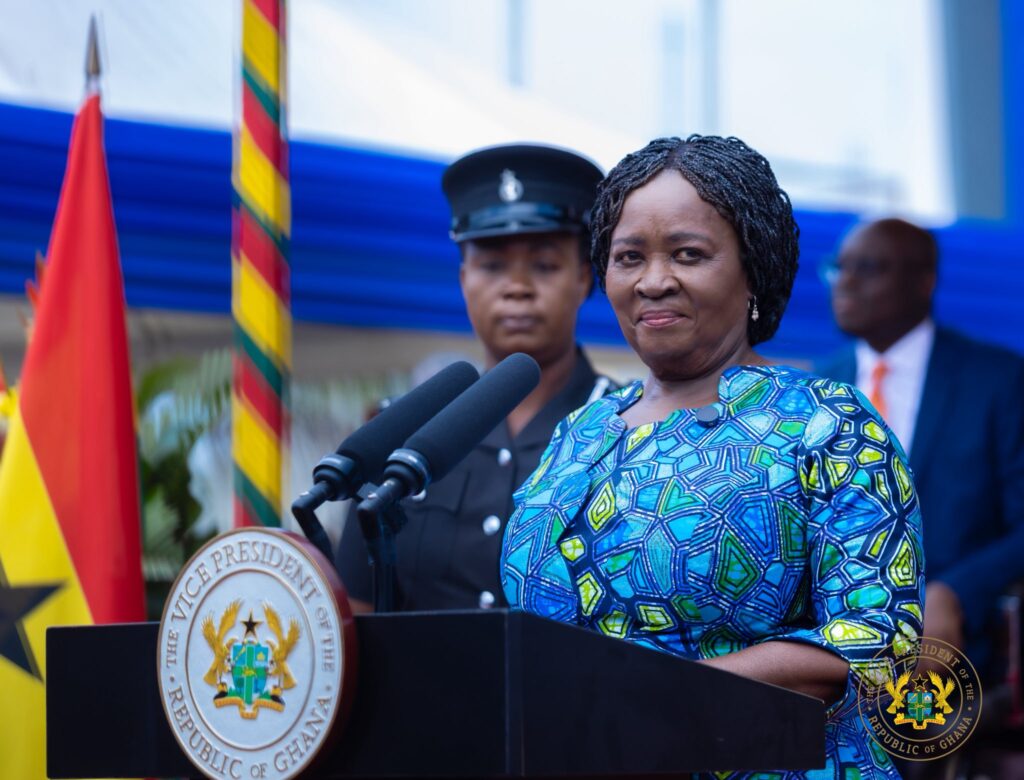
The Vice President noted that more than 30 EU-supported security-related projects were currently being implemented in Ghana, covering conflict resolution, counter-terrorism and cyber security.
She said the EU had also conducted about 40 training sessions for Ghana’s military and civilian security personnel under its Security and Defence Initiative in the Gulf of Guinea.
Prof. Opoku-Agyemang said the newly transferred equipment, including drones and operational systems, would “significantly strengthen our ongoing efforts to build the capacity and operational readiness of Ghana’s security forces.”
She cited insecurity in the sub-region, including the killing of Ghanaian traders in Burkina Faso, as a reminder of the need for stronger partnerships.
“In the face of these challenges, partnerships like the one we celebrate today are essential… to protect lives and maintain peace and stability across West Africa,” she said.
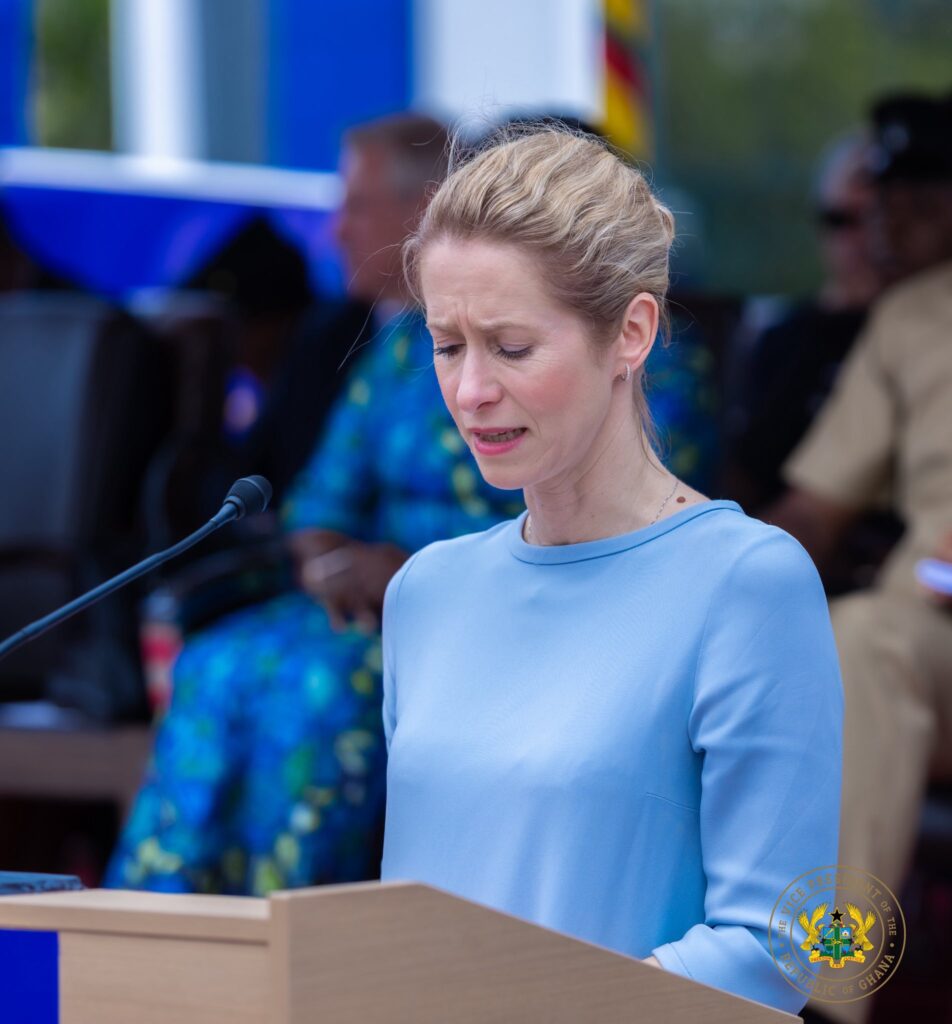
Ms Kallas said the agreement marked a new phase in EU-Ghana relations, stressing that security in Europe and Africa was closely interconnected.
“The new agreement allows us to work more closely in areas like counter-terrorism, conflict prevention and cyber security. These are all areas that matter to our citizens,” she said.
Ms Kallas disclosed that the EU had delivered a €50 million security support package to Ghana since 2023, including military equipment and training support.
She said the EU would continue to support Ghana and other West African countries in countering terrorism, strengthening border security, and enhancing maritime security.
The National Security Coordinator, Commissioner of Police Osman Abdul-Razak, described the agreement as a significant milestone in Ghana-EU relations and a boost to national and regional security efforts.
“The signing of this important agreement demonstrates our shared objectives and signals the EU’s determination to support Ghana’s efforts at tackling emerging threats,” he said.
The partnership builds on existing EU support to Ghana under initiatives such as the European Peace Facility and is expected to deepen cooperation in addressing the root causes of insecurity, including poverty, marginalisation, and youth unemployment.
GNA